
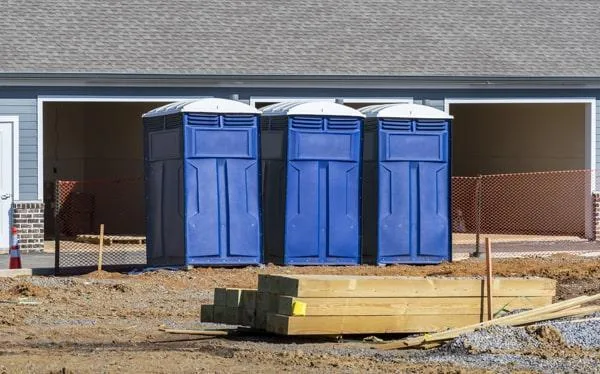
Start with the crews that are working simultaneously
Identify the work fronts, their occupied hours and the people using them. Include relevant temporary workers and supervisors, and ask which permanent facilities each group may actually use. Do not add every worker who ever visits the project into one simultaneous group or assume separate buildings have the same access arrangements.
Explain boundaries between the work fronts. A short distance on a drawing may require crossing controlled operations or another property area. The responsible site lead should identify the permitted worker routes before the provider assesses whether one facility point is practical. This is a site-specific discussion, not a public toilet-per-worker formula.
Compare common and distributed provision as complete options
A common position may work where the intended crews can genuinely reach it and it can be supported through their working periods. Separately positioned units may be worth discussing where those conditions do not hold. Neither arrangement is automatically cheaper, sufficient or available merely because it uses a particular number of cabins.
For each option, include the basic toilet function, usable access and washing. A standard cabin holds waste for servicing; an appropriate accessible-format model may be needed for some users. Separate washing needs clean water, soap, drying supplies and used-water management. Distributing toilets without supporting washing can leave an important function behind at the main compound.
Ask what each proposed position needs to stay working
Have the site lead and provider review ground, doors, handling space and the route for delivery and service at every position. A worker path is not a service-truck route. Keep equipment clear of identified site conflicts and do not direct crews through an unapproved area simply to make a central plan appear workable.
State which groups may use each point and who checks supplies or reports a problem. An equipment list should not hide the fact that separately placed units may have different access windows or use patterns. Agree cleaning, toilet waste care and washing replenishment for those conditions instead of assuming one instruction covers all positions.
Keep one clear record of the chosen distribution
Request the proposed equipment and positions, actual users and dates, transport, service and supplies, and final recovery in the quotation. Name the authorised site contact and explain how a crew or work-front change will be communicated. Do not move rented units between fronts independently or treat a new building as already covered by the original position approval.
As work changes, ask whether people can still use the arrangement that was accepted. A finished front does not by itself end another front’s need, and an added crew can affect the care request without changing the postal address. Coordinate collection only after the relevant needs and provider instructions are clear.
Questions before you book
Why is the whole-site worker total not enough?
It does not show where crews work, when their use overlaps or whether they can reach a common facility through permitted routes.
Is a separate unit at every work front always necessary?
Not necessarily. Ask the site lead and provider to compare a genuinely usable common arrangement with separately supported positions.
Can the crew move a unit to the next work area?
Do not relocate rented equipment independently. Have the provider and site contact agree any change in position, handling and access.
Should every separate position have a care contact?
Make responsibility clear for all accepted positions. The same person may coordinate them, but their actual access, supplies and use conditions still need to be described.